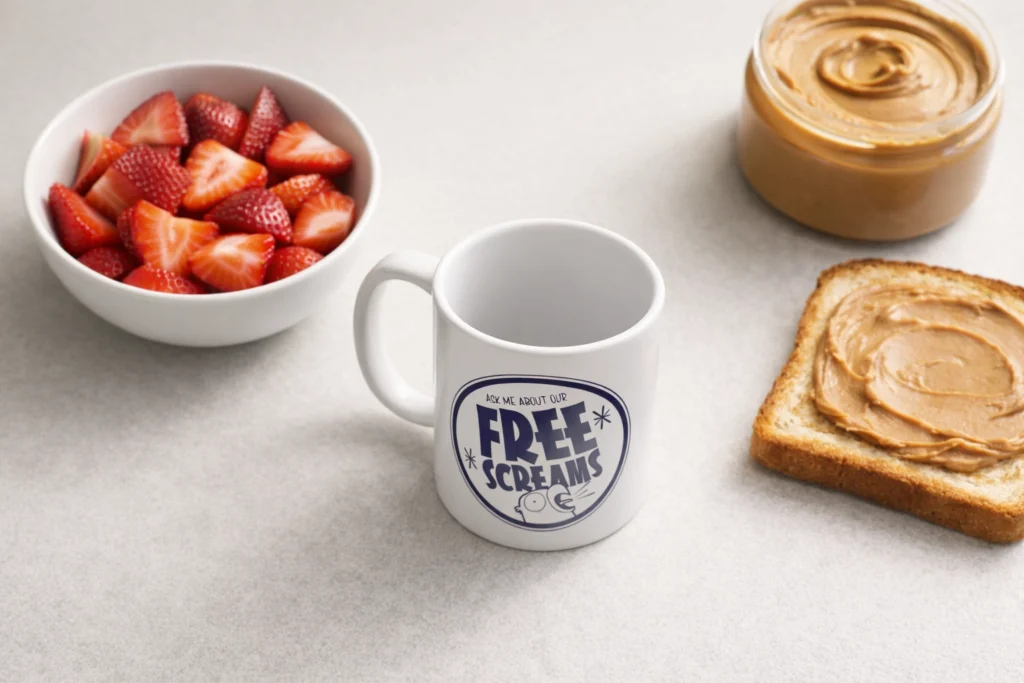
Let me paint you a picture. It’s 7 AM on a Tuesday. I’m standing in my kitchen with a Birdwear mug full of lukewarm coffee in one hand, staring at two very different breakfasts.
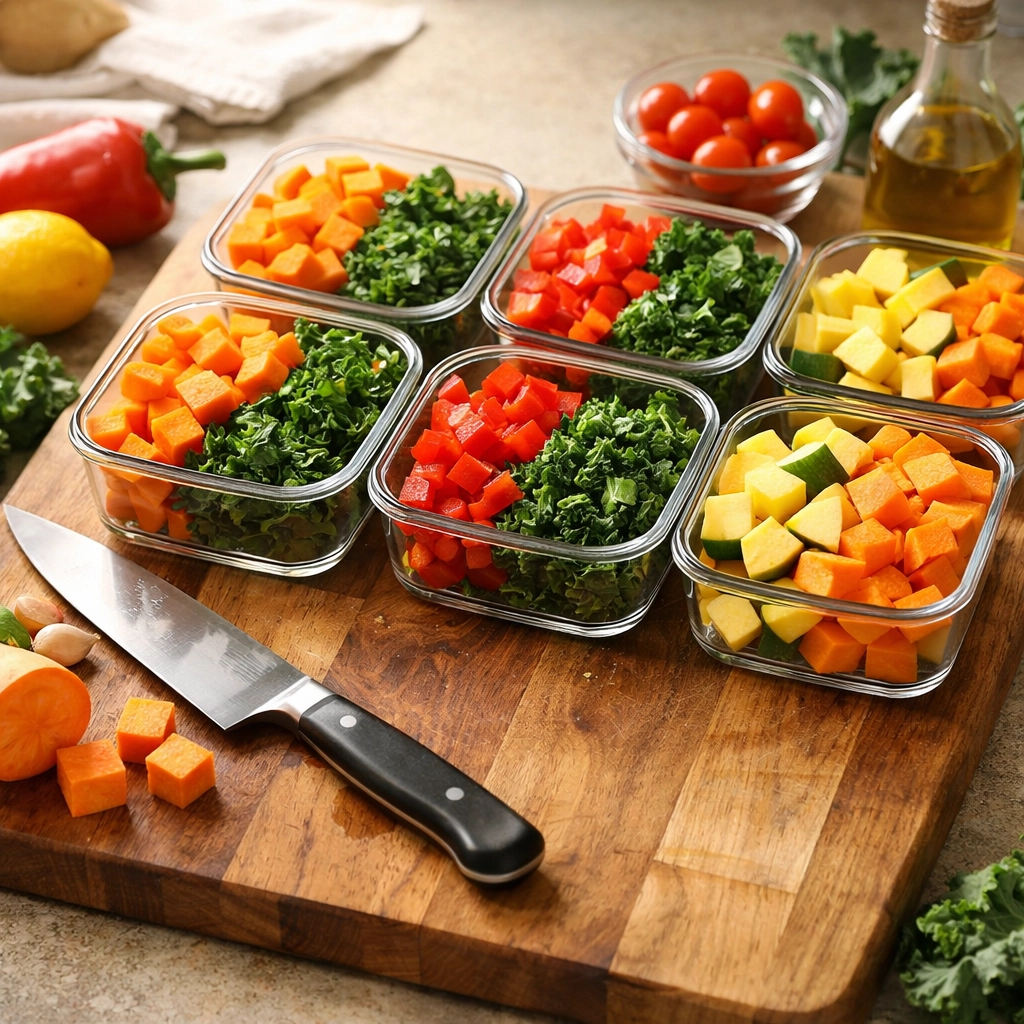
On the left: a meticulously prepared bowl of “chop”, a rainbow explosion of diced peppers, kale, sweet potato, blueberries, and sprouted quinoa, all prepped the night before and portioned into little containers like I’m some kind of meal-prep influencer.
On the right: my breakfast. A piece of toast. Maybe some peanut butter if I’m feeling fancy.
Guess which one is for me?
Welcome to Bird Parenthood
If you’ve got a parrot, you know exactly what I’m talking about. Somewhere along the line, we all crossed an invisible threshold where our birds started eating like royalty while we survived on whatever’s fastest. And honestly? We don’t even question it anymore.
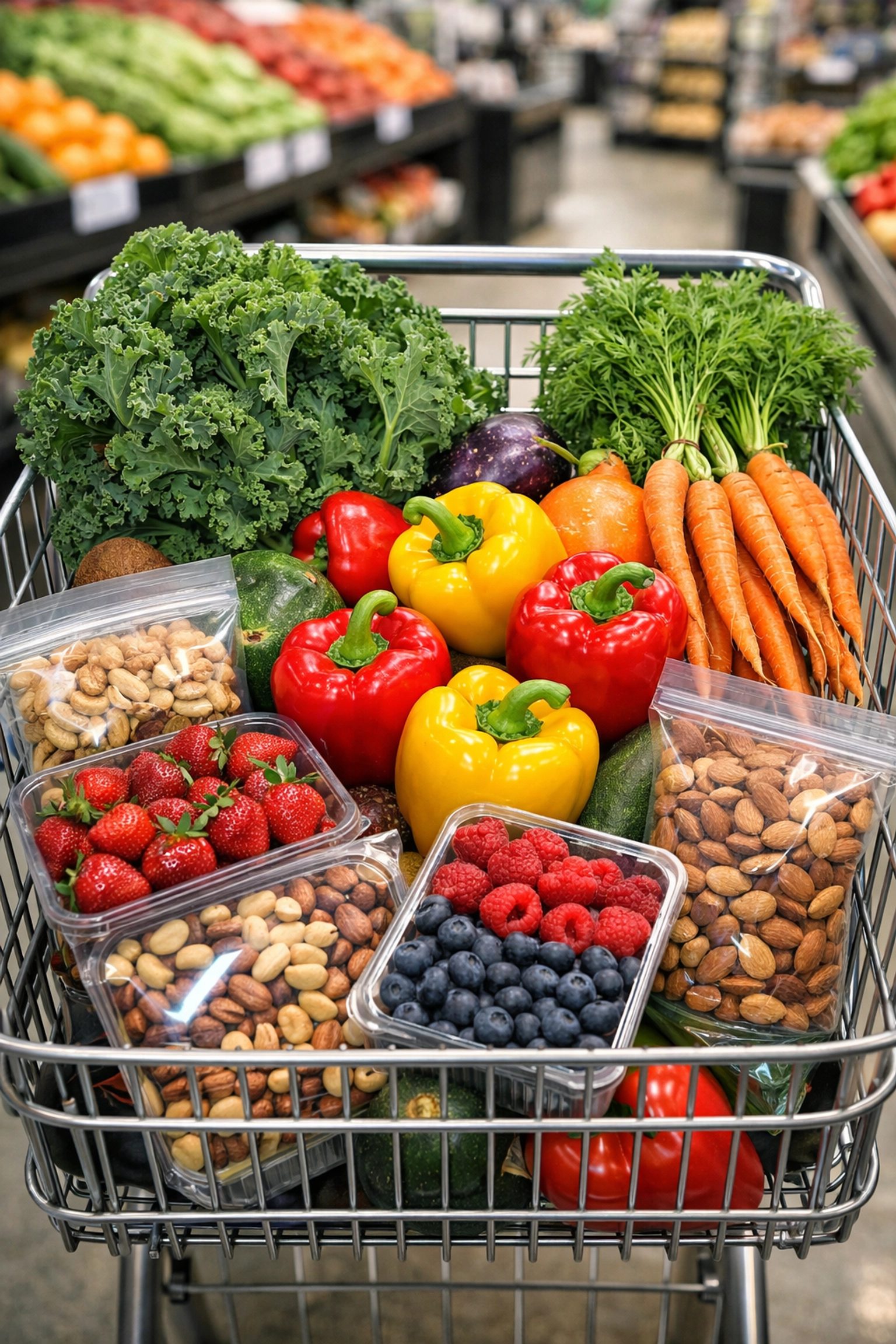
I’ve chopped vegetables at midnight. I’ve researched the potassium content of bananas. I’ve debated the merits of organic versus conventional produce in the middle of the grocery store while my own cart had frozen burritos.
It’s fine. Everything’s fine.
The Chop Revolution
For the uninitiated, “chop” is basically a gourmet salad that you prepare in bulk for your bird. It’s fresh, it’s colorful, it’s nutrient-dense, and it takes longer to make than most dinners I’ve cooked for actual humans.
You dice everything into tiny, parrot-appropriate pieces. You mix it all together. You freeze it in portions. And then you feel an absurd amount of pride watching your bird toss half of it onto the floor because they’ve decided they don’t want the bell pepper today.
The thing is, chop isn’t just some Instagram trend. Birds actually need that variety. A proper parrot diet is about 50-70% high-quality pellets as a nutritional foundation, but the remaining 30-40% should be fresh vegetables and fruits. And not just any veggies, we’re talking orange, yellow, and red vegetables, dark leafy greens, all the stuff packed with vitamin A that keeps their skin, feathers, kidneys, and immune systems healthy.
Meanwhile, I’m pretty sure I haven’t had a vegetable in three days.
The Pellet Situation
Let’s talk about pellets for a second. These are the foundation of most parrot diets, and picking the right ones is weirdly stressful. You’ve got to avoid the ones with artificial dyes and added sugar, turns out those additives can accumulate in their tiny bodies and potentially shorten their lifespan.
So naturally, I spend 20 minutes reading pellet ingredients while my own pantry is full of processed snacks I can’t even pronounce.
The best pellets are plain, boring, and nutritionally complete. They’re like the bird equivalent of a perfectly balanced meal. And most parrots? They’d rather eat literally anything else. But mixed with that beautiful chop and some occasional nuts or seeds (about 10-20% of their diet), pellets keep them healthy and thriving.
I, on the other hand, thrive on spite and caffeine.
Species-Specific Gourmet Dining
Oh, and just when you think you’ve got the bird meal thing figured out, you remember that different species have different needs. Macaws need higher fat content, so they get fancier nuts. Eclectus need tons of fruit content and less potassium.
Do I put that much research into my own nutrition? Absolutely not. I ate crackers for lunch yesterday and called it a win because they were whole grain.
The Meal Prep Irony
Here’s where it gets really ridiculous. I batch-prep bird meals like I’m running a tiny catering company. Every other Sunday, I’ve got cutting boards, containers, and a system. I portion everything out, label it, freeze it. I’ve got a rotation schedule. I track what they like and what they ignore.
For myself? I’m lucky if I remember to buy milk.
And before you ask, yes, I’m wearing one of our bird shirts while doing this. Usually the “Team Macaw” one because apparently I’m fully committed to this identity now.
Why We Actually Do This
But let’s be real for a minute. We don’t do this because we’re masochists (well, not entirely). We do it because we love these ridiculous, demanding, beautiful creatures. A healthy diet means a longer life, better feather quality, more energy, and fewer vet visits.
Birds are incredibly sensitive to nutrition. In the wild, they’d spend hours foraging, finding diverse food sources, and keeping themselves busy. In captivity, we’re trying to replicate that with chop, pellets, and enrichment activities.
Plus, watching a parrot enjoy their food is genuinely one of the best parts of the day. The way they hold a piece of pepper in their foot, the satisfied head-bobbing, the little chirps of approval, it’s worth the effort.
Even if my own meals are… let’s call them “efficiency-focused.”
The Reality of Bird Ownership
Look, nobody warns you about this when you bring home your first bird. They tell you about the noise, the mess, the commitment. But they don’t mention that you’ll become a tiny chef who color-codes vegetables and debates the merits of different seed blends.
They don’t tell you that your kitchen will have more fresh produce than a farmer’s market, or that you’ll know more about avian nutrition than human nutrition.
And they definitely don’t mention that you’ll be perfectly fine with this arrangement.
Because at the end of the day, when my bird is healthy, happy, and demolishing a bowl of carefully prepared food, I’m good. Even if I’m eating toast standing over the sink.
Join the Club
If you’re nodding along to any of this, you’re not alone. Bird people are out here living this reality every single day, and honestly? We wouldn’t have it any other way.
Want to share your own bird meal dilemma stories? Head over to Birdwear’s Facebook or Instagram, we’d love to hear about the ridiculous things you do for your feathered overlords while surviving on questionable human food.
And hey, if you’re going to be chopping vegetables at midnight anyway, you might as well look the part. Check out our collection at Birdwear and wear your bird-parent pride. We’ve all earned it.
Just maybe eat a vegetable yourself once in a while. Your bird would want that for you. Probably.