So, you want to become a Purple Martin landlord?
Yeah, you read that right. If you put up housing for these gorgeous aerial insectivores, you're officially joining the ranks of Purple Martin landlords across North America. And honestly? It's one of the most rewarding bird-related hobbies you can pick up.
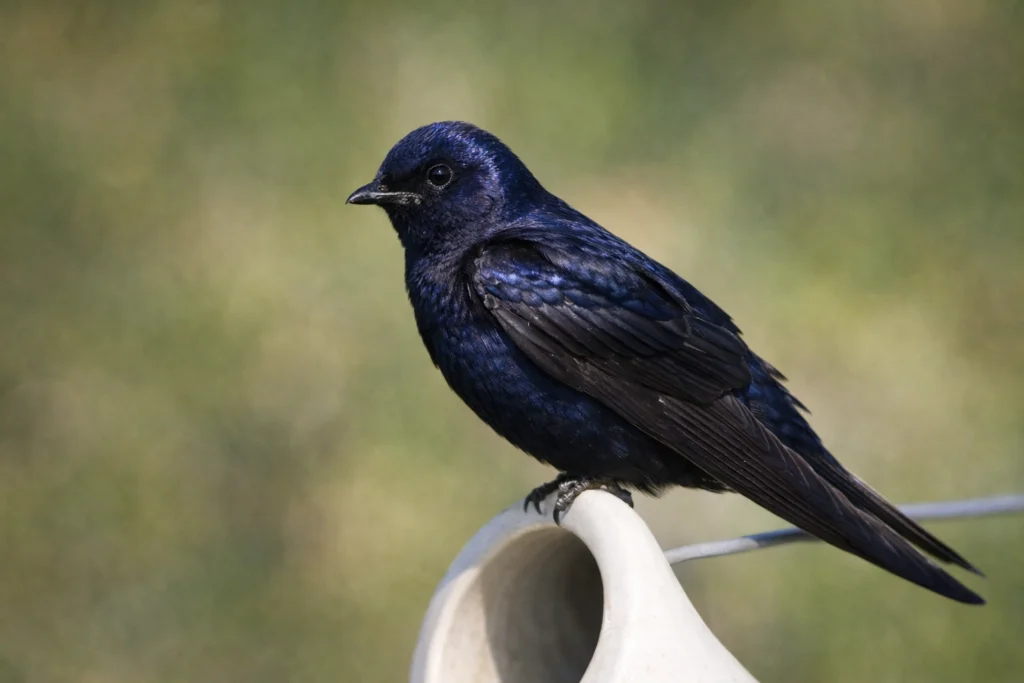
Purple Martins aren't just any backyard bird. They're the largest swallows in North America, and they've got personality for days. Once they move into your yard, you're not just watching birds, you're hosting an entire neighborhood.
Let me tell you why these iridescent beauties are worth every bit of effort it takes to attract them.
The Original Gourd Life
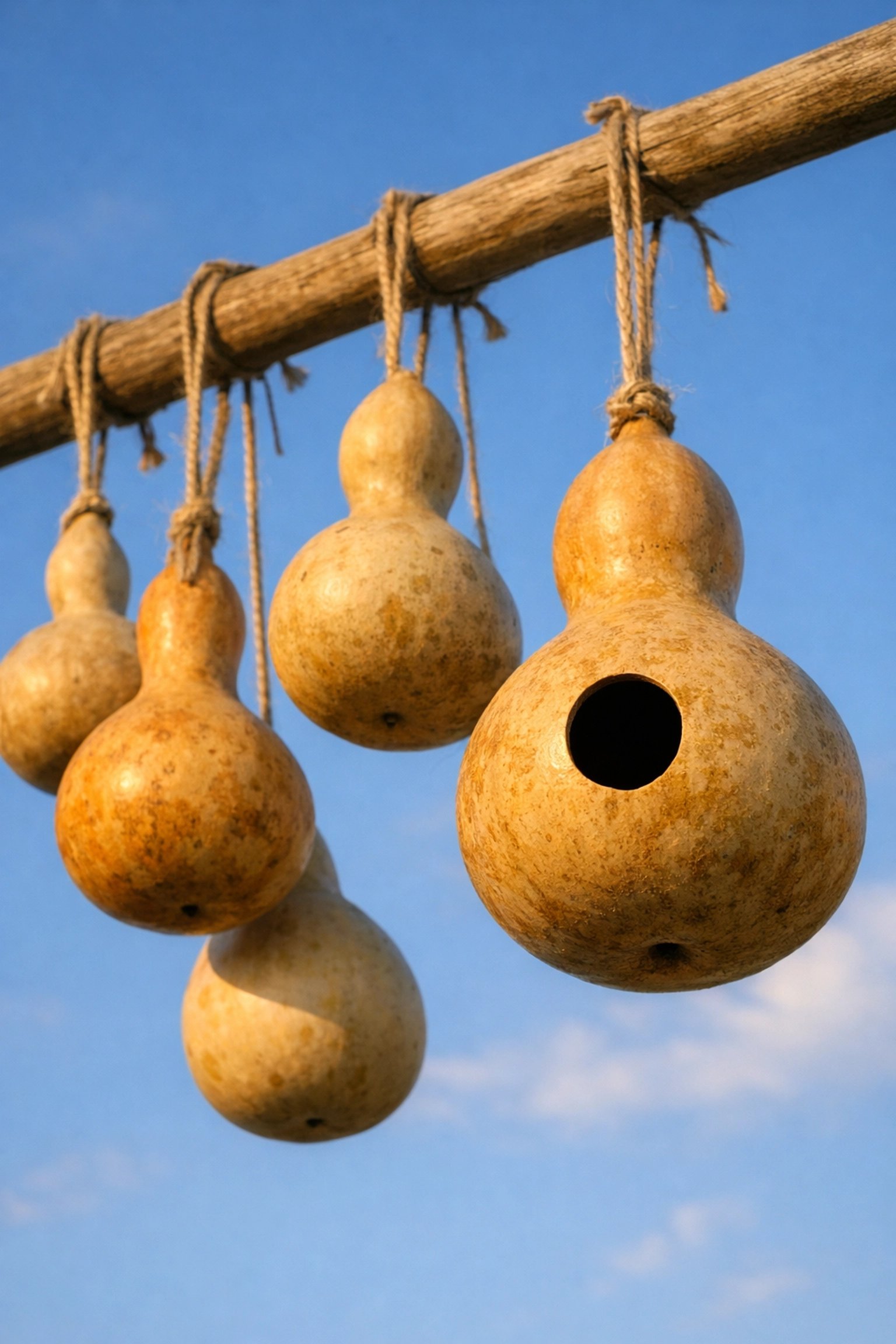
Here's a fun fact: humans have been Purple Martin landlords for centuries. Native Americans were the first to figure out that these birds loved nesting in hollowed-out gourds. They'd hang dried gourds near their villages, and the martins would move right in.
Why? Well, Purple Martins are 100% dependent on cavities for nesting, they can't excavate their own holes like woodpeckers. In the eastern U.S., they've become so adapted to human-provided housing that almost the entire population nests exclusively in artificial structures. No joke. If you see a Purple Martin east of the Rockies, there's a really good chance it was born in a birdhouse or gourd someone put up.
Out west, some populations still use natural cavities like old woodpecker holes, but even there, gourds and nest boxes are becoming more popular.
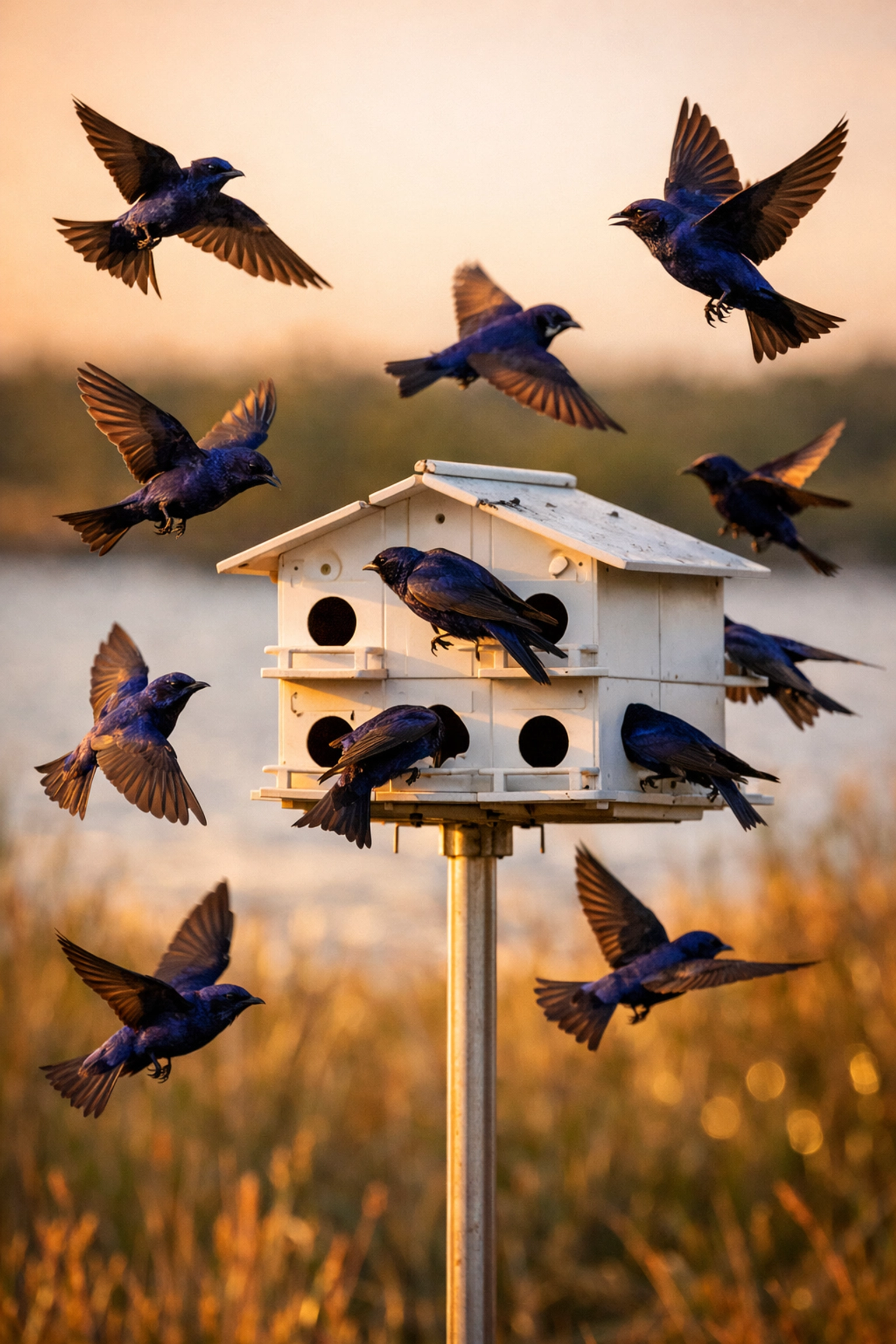
The gourd tradition stuck around because it works. Modern Purple Martin landlords still use plastic or natural gourds alongside traditional multi-room birdhouses. There's something charming about hanging a cluster of gourds and watching scouts scope them out in early spring.
Scouts, Landlords, and the Arrival
If you're setting up housing, timing matters. Male Purple Martins, called scouts, arrive first at breeding sites in late winter or early spring, depending on where you live. They're basically the advance team, checking out the real estate and claiming the best spots.
Then the females show up a few weeks later, and that's when things get interesting. Both parents work together to build the nest, incubate eggs, and feed the chicks. It's a full family operation.
Once the young fledge, about 26 to 31 days after hatching, you'll see them practicing their flight skills around the colony. It's chaotic, adorable, and honestly one of the coolest things to watch in your backyard.
Being a Purple Martin landlord means you're not a passive observer. You've got to monitor the houses, keep out invasive species like European Starlings and House Sparrows, and make sure your setup is safe from predators. But the payoff? A front-row seat to one of nature's best shows.
Aerial Acrobats (And the Mosquito Myth)
Let's talk about what Purple Martins actually eat, because there's a persistent myth floating around that needs to die.
No, Purple Martins do not eat thousands of mosquitoes a day.
I know, I know. That's what everyone says. "Put up a martin house and say goodbye to mosquitoes!" But here's the truth: mosquitoes make up less than 3% of a Purple Martin's diet. They're just too small and fly too low to be a primary food source.
What do they eat? Pretty much every other flying insect you can think of. Wasps, winged ants, beetles, dragonflies, flies, moths, butterflies, if it's got wings and it's in the air, a Purple Martin will grab it mid-flight.
And let me tell you, watching them hunt is incredible. They're basically tiny fighter jets. Purple Martins forage almost entirely on the wing, performing acrobatic twists and dives to snatch insects out of the air. They prefer open spaces near water, ponds, rivers, wetlands, where bugs are plentiful.
So while they won't solve your mosquito problem, they'll definitely help keep the overall insect population in check. Just don't hang your expectations on skeeters.
The Social Life of a Martin Colony
Here's what makes Purple Martins different from a lot of backyard birds: they're intensely social. They don't just tolerate neighbors, they actively prefer to nest in colonies.
A Purple Martin colony isn't just a bunch of individual birds living near each other. It's a community. They communicate constantly, defend their shared territory together, and even seem to keep an eye on each other's nests. Studies show that colonies have better predator detection than solitary nesters, more eyes watching means faster warnings.
There's a whole social dynamic happening. You'll see squabbles over the best cavities, cooperative alarm calls when a hawk flies over, and synchronized departures when the whole colony decides it's time to forage.
It's basically like running an apartment complex for birds. And once they settle in, they come back year after year. Purple Martins are loyal to their breeding sites, so if you attract a colony, there's a good chance they'll return every spring.
Celebrating the Gourd Life
So yeah, we had to make a shirt about it.
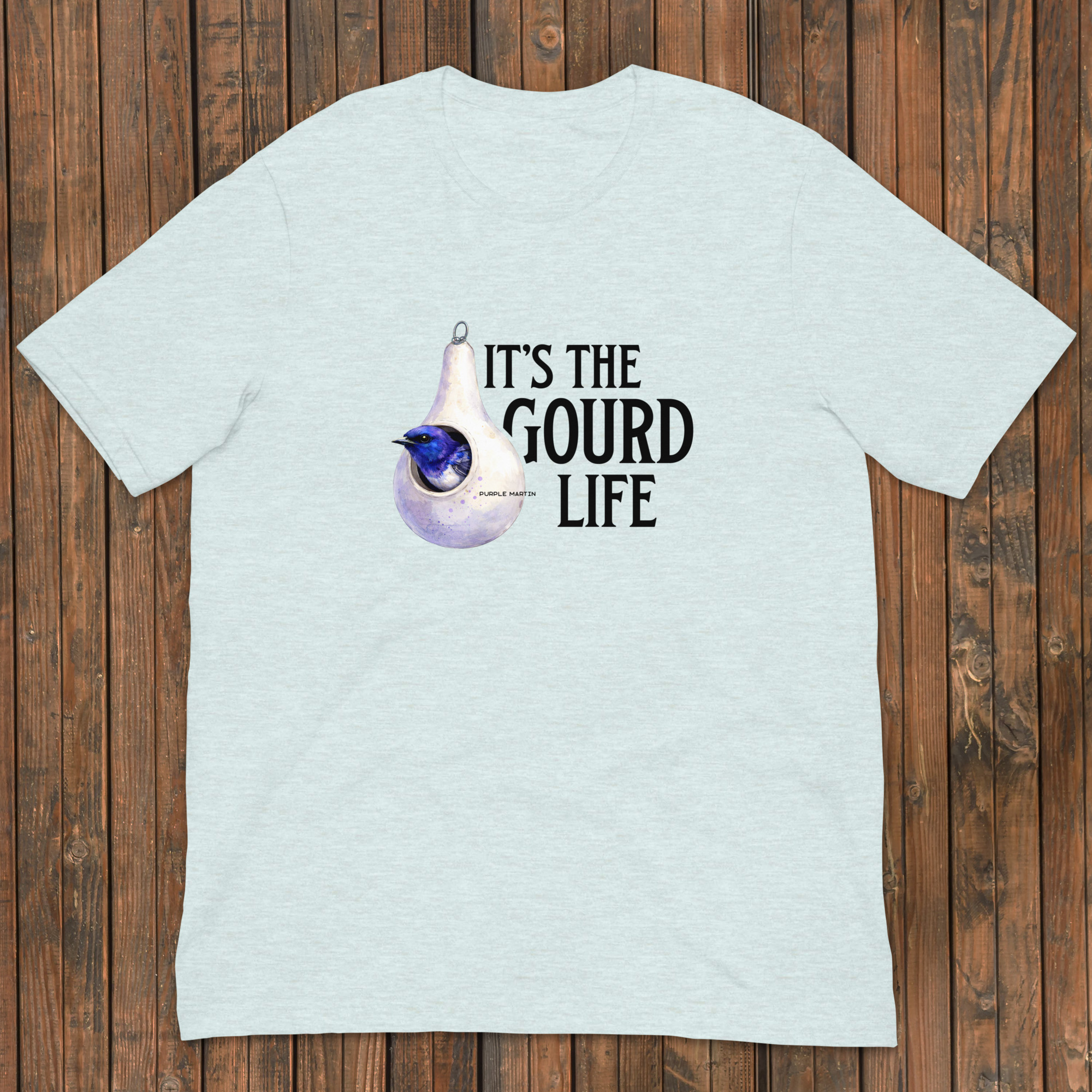
Our new It's the Gourd Life Purple Martin tee features a Purple Martin peeking out of a gourd house, because honestly, it's the perfect visual for anyone who's ever put up housing and waited (sometimes impatiently) for scouts to arrive.
Whether you're a seasoned landlord with years of Purple Martin tenants or you're just starting to think about setting up your first gourd cluster, this shirt gets it. It's soft, it's funny, and it's a great conversation starter when you're out birdwatching or grabbing coffee.
Plus, it's a nice reminder that sometimes the most rewarding bird experiences aren't about rare sightings: they're about the birds that come back to you every year.
Migration: Here Today, Gone to South America
One thing to know about Purple Martins: they're seasonal guests. At the end of the breeding season: usually late summer: they start gathering in massive pre-migration flocks. We're talking thousands of birds roosting together before they make the long journey to South America for the winter.
It's bittersweet, honestly. You spend months watching them raise their families, and then suddenly they're gone. But that's part of what makes their return in spring so exciting. When those first scouts show up, it feels like reconnecting with old friends.
If you're thinking about becoming a Purple Martin landlord, just know that it's a commitment. You've got to set up housing early (before scouts arrive), monitor it throughout the season, and be ready to do it all again next year.
But the reward? A backyard full of chattering, swooping, acrobatic birds that genuinely seem happy to be there.
Ready to Join the Gourd Life?
Whether you're already hosting Purple Martins or you're just getting started, there's a whole community of landlords out there who love sharing tips, stories, and colony updates.
Got Purple Martin questions or want to show off your setup? Head over to Birdwear's Instagram or Facebook and share your gourd life moments with us. We love seeing colonies thrive (and we definitely want to see your birds if they move in).
And if you want to rep your landlord status in style, you know where to find the shirt.
Because honestly, it really is the gourd life. And once you experience it, you'll understand why so many people dedicate their springs and summers to these incredible birds.